

Health tips
What is cupping therapy (hijama)? What to expect, benefits and safety
Curious about cupping or hijama? Learn the difference between dry and wet cupping, what happens in a session, how we keep it safe, and who should avoid it.
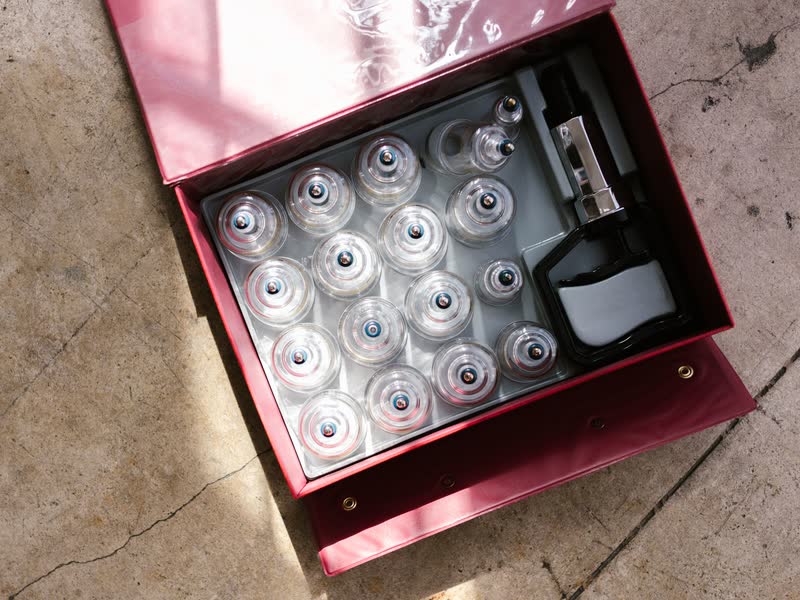
You may have seen round marks on someone's back after a session, or heard older relatives talk about hijama. Cupping therapy is becoming more popular in Nigeria, and many people are curious about what it involves.
This guide explains what cupping is, what to expect during a session at BVPC, how we keep it safe and clean, and who should avoid it. We also share an honest view of what the research says.
What is cupping therapy?
Cupping is a traditional therapy where cups are placed on the skin to create suction. The suction gently lifts the skin and the tissue underneath.
People commonly use cupping for muscle tension, aches and general relaxation. At BVPC, it is offered as a complementary therapy, often alongside physiotherapy, exercise and advice, not as a replacement for medical treatment.
A brief history
Cupping has been practised for a very long time in many parts of the world, including Africa, the Middle East and Asia. Different cultures developed their own versions using materials such as animal horns, bamboo and glass.
Hijama is the Arabic name for wet cupping. It holds special cultural and religious meaning for many Muslims, and is widely known across northern Nigeria and beyond.
Dry cupping vs wet cupping (hijama)
Dry cupping
In dry cupping, cups are placed on the skin and suction is created, usually with a hand pump. The cups stay in place for a few minutes and are then removed. The skin is not broken.
Wet cupping (hijama)
Wet cupping starts like dry cupping. After the cups are removed, the practitioner makes very small, shallow pricks or scratches on the skin using a sterile, single-use lancet. The cups are then placed back to draw out a small amount of blood.
Because wet cupping breaks the skin, hygiene and proper training are extremely important. Your practitioner will help you decide which type, if any, is suitable for you.
What a cupping session at BVPC is like
- Assessment first. We ask about your health, medicines, pregnancy, and any bleeding problems. We may check your blood pressure. If cupping is not safe for you, we will tell you honestly and suggest other options.
- Explanation and consent. We explain what will happen, where the cups will go and what marks to expect. You can ask questions and stop at any time.
- Preparation. You lie or sit comfortably on a clean treatment couch. The skin is cleaned.
- Cup placement. Cups are placed and suction is adjusted to a level you are comfortable with. Most people feel a tight, pulling sensation rather than pain.
- Rest. The cups usually stay on for a few minutes while you relax.
- Finishing. Cups are removed gently, the skin is cleaned, and any small cuts from wet cupping are dressed.
A session usually ends with aftercare advice. Learn more on our cupping therapy (hijama) page.
Hygiene and safety standards
Poor hygiene during cupping, especially wet cupping, can spread infection. Please only have cupping done by trained practitioners who follow strict infection control. At BVPC, our standards include:
- Clean or single-use cups: cups are either single-use or properly cleaned and sterilised between clients.
- Gloves: practitioners wear fresh disposable gloves for every client.
- Sterile, single-use lancets: a new lancet is opened in front of you and safely disposed of after use. Lancets are never reused or shared.
- Skin cleaning: the skin is cleaned before and after treatment.
- Safe disposal: used sharps and blood-stained materials are disposed of safely.
Your right to ask: Wherever you go for cupping, you are allowed to ask how the cups are cleaned and to see a new, sealed lancet opened. A good practitioner will be happy to show you.
Possible benefits: an honest view
Many people say cupping helps them feel relaxed and eases muscle tightness, especially in the back, neck and shoulders.
However, research on cupping is still limited and mixed. Some studies suggest it may help with certain types of pain, but many are small or not well designed. Scientists do not yet fully understand how it works.
For this reason, we do not promise results, and we do not claim cupping cures any disease. We see it as one option that may support comfort and wellbeing, alongside proper medical care, exercise and healthy habits.
About the round marks
Cupping often leaves round, red, purple or dark marks where the cups were placed. These are caused by the suction and are not burns.
The marks are usually painless and fade on their own, often within a few days to a couple of weeks. If you have an event or prefer not to have visible marks, tell us before your session.
Who should avoid cupping
Cupping is not suitable for everyone. Please tell us, and speak to your doctor first, if any of these apply to you:
- you are pregnant or think you may be;
- you have a bleeding disorder, such as haemophilia;
- you take blood-thinning medicines;
- you have anaemia or low blood count, or sickle cell disease;
- you have broken skin, wounds, rashes, burns or skin infections in the area;
- you are very frail, elderly and weak, or recovering from serious illness;
- you have diabetes, heart disease, a pacemaker or poorly controlled blood pressure;
- you have a fever or feel unwell on the day.
Aftercare tips
- Drink plenty of water and eat a light, nourishing meal.
- Rest for the remainder of the day if you can, and avoid heavy exercise.
- Keep the area clean and dry. After wet cupping, avoid swimming or long hot baths for at least a day.
- Do not scratch or pick at any small cuts.
- Keep the area covered from strong sun while the marks fade.
- Mild tiredness or tenderness can happen and usually passes quickly.
When to get medical help urgently
Contact a doctor or go to hospital if, after cupping, you notice:
- signs of infection: increasing redness, swelling, heat, pus or worsening pain at the site;
- fever or chills;
- bleeding that does not stop with gentle pressure;
- dizziness, fainting, a racing heart or shortness of breath;
- blisters or skin that looks burnt or broken.
Complementary therapies do not replace medical care. Please read our medical disclaimer.
Book a cupping assessment with BVPC
Curious whether cupping is right for you? Our trained team at Best Value Physio Clinic will check your health first, explain your options honestly and follow strict hygiene at every step. Send us a message on WhatsApp or visit our contact page to book an assessment.
This article is general information, not personal medical advice. See our medical disclaimer.