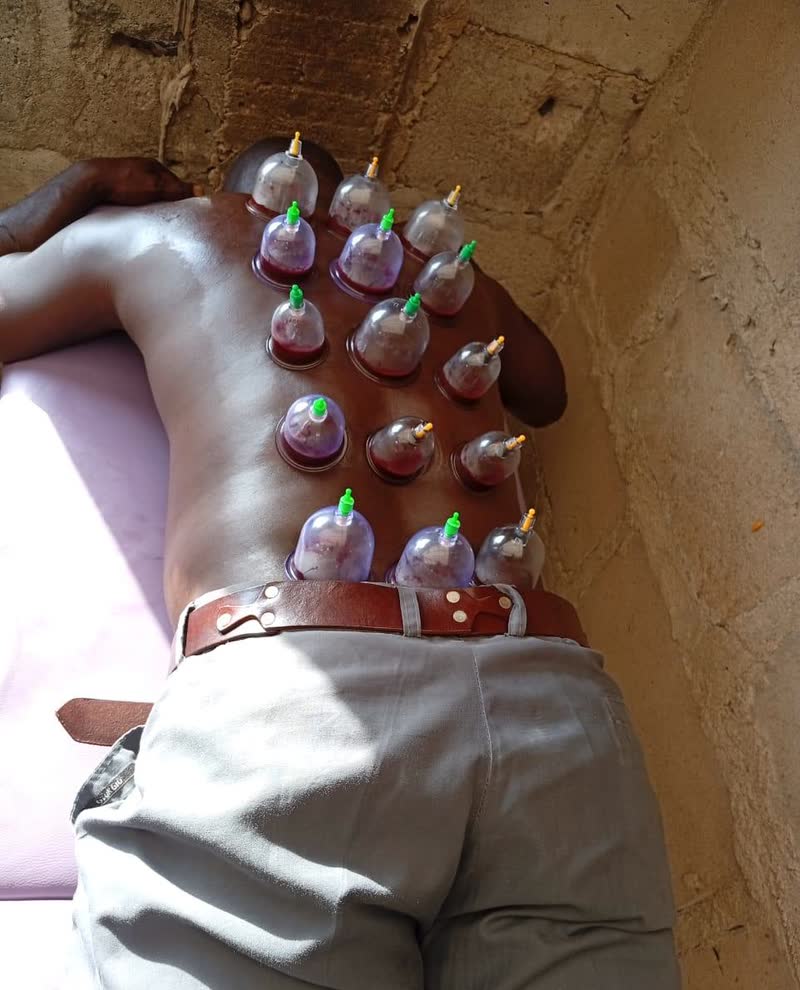
Cupping is a traditional therapy where cups are placed on the skin to create gentle suction. Dry cupping uses suction only. Wet cupping, also called hijama, adds tiny, shallow skin pricks so a small amount of blood can be drawn into the cup.
Many people find cupping helps loosen tight muscles and eases aches in the back, neck, shoulders and legs. Research is still growing, so we offer it as a complementary therapy, alongside exercise and other physiotherapy care where needed.
Hygiene comes first at BVPC. We use single-use or properly sterilised cups for each patient, fresh gloves, and sterile single-use lancets for wet cupping. Nothing that touches your blood is ever reused.
Please note: Cupping is a complementary therapy. It does not replace medical diagnosis or treatment from your doctor.
Who it may help
People with tight or aching back, neck and shoulder muscles
Workers with muscle strain from lifting, farming or long hours of sitting
People with knee or leg muscle aches
Anyone looking for a relaxing complementary therapy
People who have had cupping before and want it done hygienically
What to expect
Assessment
We ask about your health, medicines and any blood or skin problems, and check your blood pressure, to make sure cupping is suitable for you.
Plan
We explain dry and wet cupping and agree together which areas to treat. You can choose dry cupping only.
Treatment
Cups are placed on clean skin and left for a few minutes. For wet cupping, your therapist wears gloves and uses a new sterile lancet.
Aftercare
The skin is cleaned and covered if needed. We explain how to care for the area and what marks to expect.
Equipment we may use
Clear cups, valves & hand pump
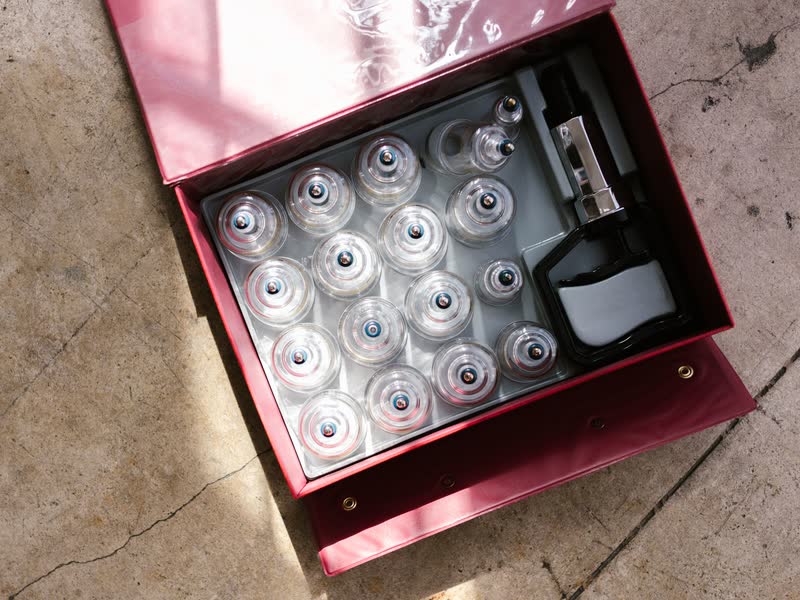
Vacuum cupping set (Hijama)
Clear cups with one-way valves are placed on the skin and a hand pump gently draws out the air, creating a controlled suction that lifts the skin and muscle.
Hygiene & safety: Cups are single-use or cleaned and sterilised between patients; therapists wear fresh gloves and use sterile, single-use lancets for wet cupping.
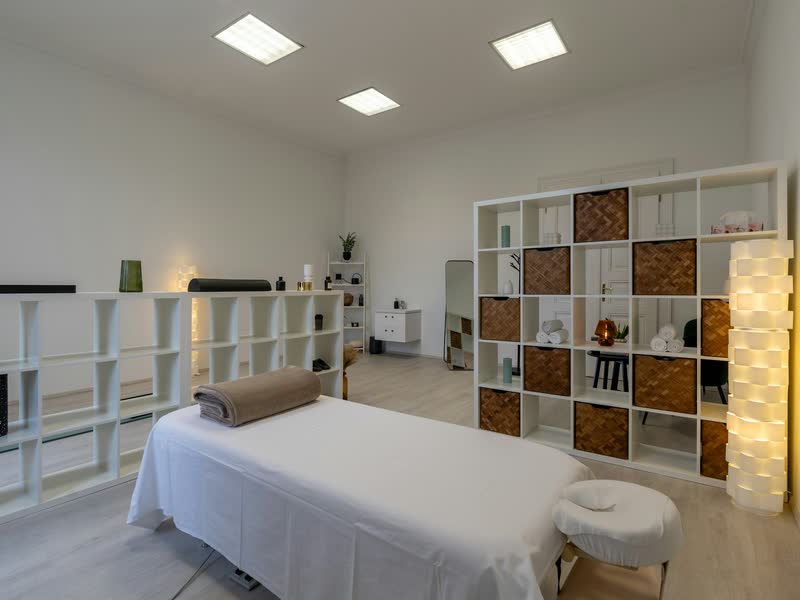
Padded, wipe-clean treatment table
Physiotherapy treatment couch
A padded treatment table that lets you lie or sit comfortably and safely while the therapist works on your back, neck, joints or muscles.
Hygiene & safety: Covered with a fresh couch roll or clean sheet for every patient and wiped down with disinfectant between sessions.
Cupping can leave round, purple or red marks on the skin. These are temporary and usually fade within a few days to about two weeks.
Please do not have cupping if you are pregnant, have a bleeding disorder, anaemia, or take blood-thinning medicines, unless your doctor has cleared you. Tell your therapist.
Cupping is not done on broken, burnt, infected or very thin skin, or over varicose veins.
Tell your therapist if you have diabetes, a heart condition, a pacemaker, or feel faint easily.
Eat a light meal beforehand and drink water afterwards. If you feel dizzy, tell us straight away.
After wet cupping, keep the area clean and dry. See a doctor if it becomes hot, swollen, painful or has pus.
Questions about Cupping Therapy
What is the difference between dry and wet cupping?
Dry cupping uses suction only. Wet cupping (hijama) adds tiny, shallow skin pricks with a sterile single-use lancet so a small amount of blood collects in the cup.
Will the marks go away?
Yes. The round marks are temporary and usually fade within a few days to about two weeks.
Are your cups clean?
Yes. We use single-use or properly sterilised cups for each patient, fresh gloves, and a new sterile lancet every time for wet cupping.
Does cupping hurt?
Most people feel a tight, pulling sensation rather than pain. The skin pricks in wet cupping are quick and shallow.
Can I have cupping if I am pregnant?
We do not offer cupping during pregnancy. Please tell us if you are or might be pregnant.
Share this service:Link copied!
Ready to book Cupping Therapy?
Send us a WhatsApp message — your booking request is already typed out for you.