Alternative medicine & integrative care · Abuja

Back Pain Treatment

Physiotherapy that aims to ease back pain and get you moving again

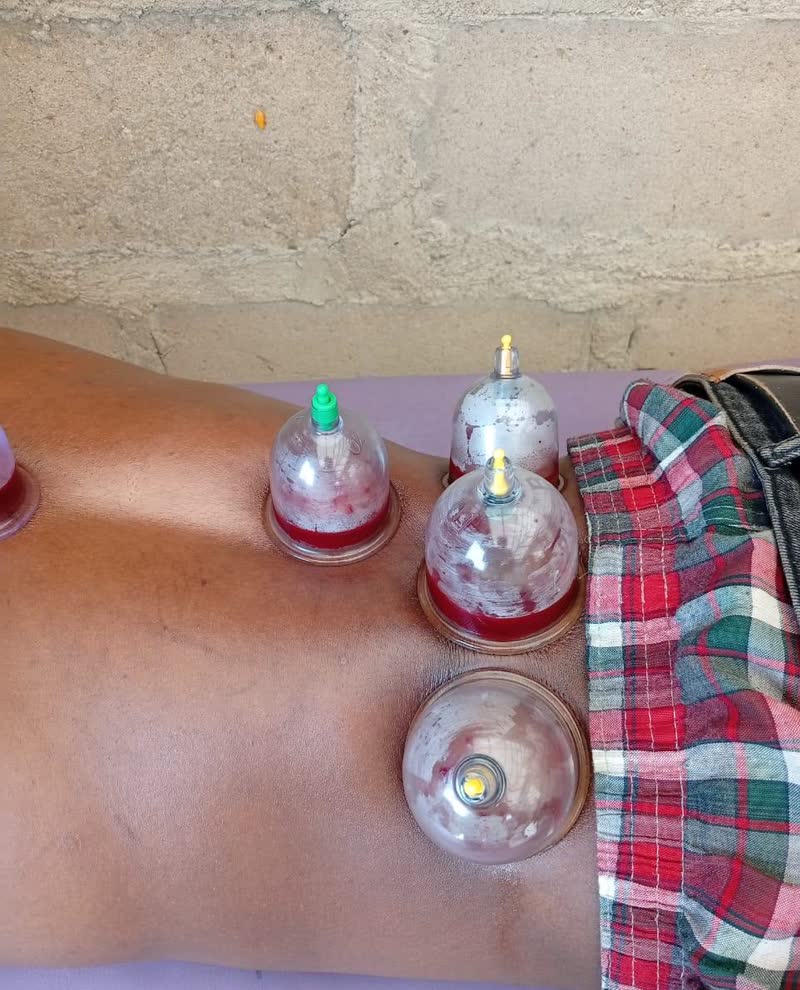
Close-up of four clear cups on a patient's lower back above a plaid waistband

What is Back Pain Treatment?

Back pain is one of the most common reasons people see a physiotherapist. It can come from lifting, long hours of sitting or standing, poor sleep, stress or simply wear and tear with age.

Most back pain is not serious and many people improve with the right care. Our physiotherapists find out what is driving your pain, then use a mix of hands-on treatment, exercise, posture advice and, where it suits you, complementary therapies such as massage or cupping.

We also teach you how to protect your back at work and at home, so you can stay active and confident.

Who it may help

  • People with lower back pain or stiffness
  • People with upper back and shoulder blade aches
  • People with pain going down the leg (sciatica), after a check for warning signs
  • Workers who lift, farm, drive or sit for long hours
  • Older adults with back stiffness

What to expect

  1. Assessment

    We ask how the pain started, check for warning signs, and test how your back moves.

  2. Plan

    We explain the likely cause in plain language and agree a plan and goals.

  3. Treatment

    Hands-on treatment, stretches, strengthening exercises and posture advice, plus massage or cupping if suitable.

  4. Follow-up

    We update your home exercises and refer you to a doctor if you need scans or medical care.

Equipment we may use

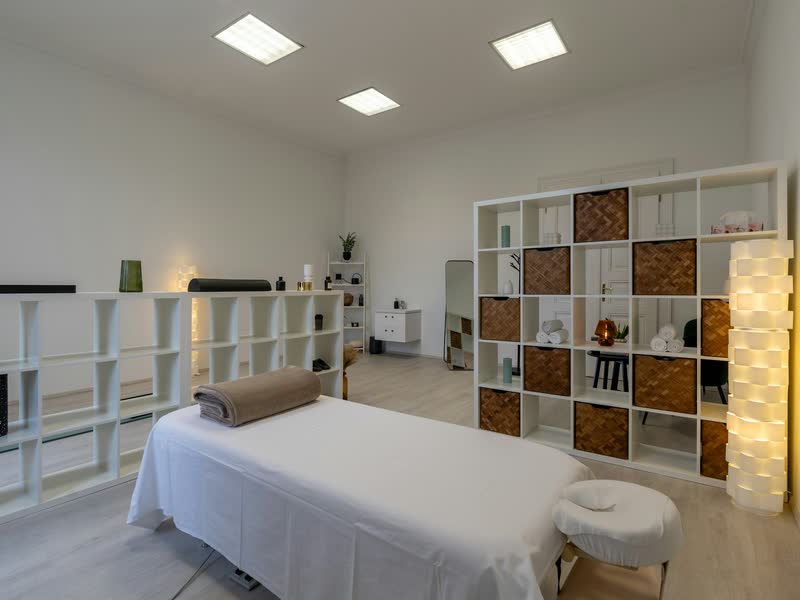
Physiotherapy treatment couch: Padded, wipe-clean treatment table
Padded, wipe-clean treatment table

Physiotherapy treatment couch

A padded treatment table that lets you lie or sit comfortably and safely while the therapist works on your back, neck, joints or muscles.

Hygiene & safety: Covered with a fresh couch roll or clean sheet for every patient and wiped down with disinfectant between sessions.
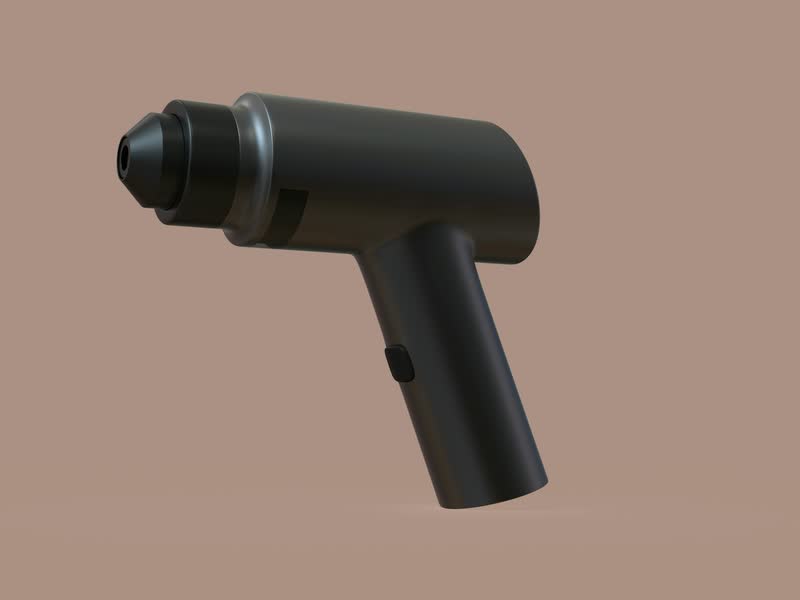
Percussion massage gun: Deep-tissue percussion therapy
Deep-tissue percussion therapy

Percussion massage gun

A handheld device that delivers rapid, adjustable pulses into the muscle, used by the therapist to loosen tight, sore areas before or after hands-on treatment.

Hygiene & safety: Attachment heads are wiped with disinfectant between patients and the device is never used over bone, broken skin or recent injuries.

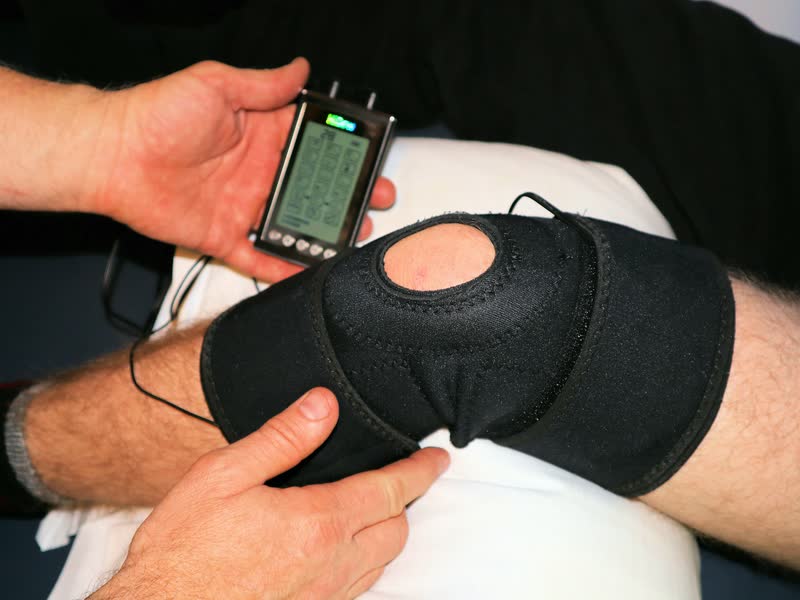
Handheld electrotherapy device: TENS-style pain-relief probe
TENS-style pain-relief probe

Handheld electrotherapy device

A handheld device that sends gentle electrical pulses through the skin to help ease pain and support muscle activation during rehabilitation.

Hygiene & safety: Contact heads are cleaned between patients; settings start low and are adjusted to your comfort. Not used for people with pacemakers or over the front of the neck.

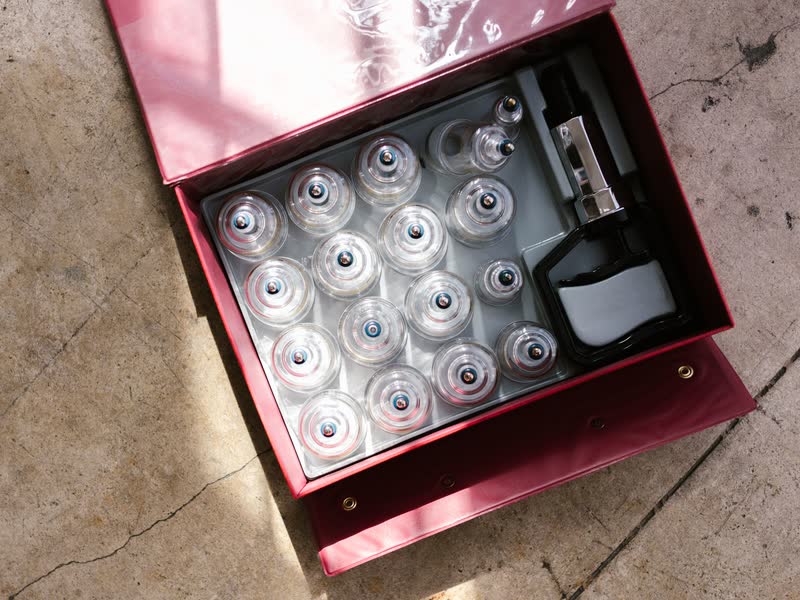
Vacuum cupping set (Hijama): Clear cups, valves & hand pump
Clear cups, valves & hand pump

Vacuum cupping set (Hijama)

Clear cups with one-way valves are placed on the skin and a hand pump gently draws out the air, creating a controlled suction that lifts the skin and muscle.

Hygiene & safety: Cups are single-use or cleaned and sterilised between patients; therapists wear fresh gloves and use sterile, single-use lancets for wet cupping.

See all our equipment

Safety notes

  • Tell your therapist about any cancer history, osteoporosis, recent falls, weight loss without trying, or fever.
  • Gentle movement is usually better than complete bed rest for most back pain.
  • Some soreness after exercise is normal. Sharp or worsening pain should be reported.
  • Tell us if you are pregnant, so we can adjust positions and techniques.

When to get medical help

Go to a hospital urgently if back pain comes with numbness around the private parts or buttocks, loss of bladder or bowel control, weakness in both legs, fever, or follows a serious fall or accident.

Questions about Back Pain Treatment

Should I rest in bed until the pain goes?

For most back pain, staying gently active helps more than bed rest. We will show you safe movements.

Do I need a scan?

Most people do not. If we see warning signs, we will refer you to a doctor.

Can cupping help back pain?

Some people find cupping helps with muscle tightness. We offer it as a complementary option alongside exercise if it is suitable for you.

How can I stop my back pain coming back?

Regular exercise, good lifting habits and breaks from sitting can help. We will give you a simple plan.

Ready to book Back Pain Treatment?

Send us a WhatsApp message — your booking request is already typed out for you.

Chat with us