

Alternative medicine & integrative care · Abuja

Stroke & Paralysis Rehabilitation

Step-by-step rehab to help you regain movement and independence

Rehabilitation aids used in Stroke & Paralysis Rehabilitation

What is Stroke & Paralysis Rehabilitation?

A stroke or paralysis can change life overnight, for the patient and the whole family. Rehabilitation is about helping the body and brain relearn movement, one small step at a time.

Our physiotherapists use exercises, stretching, balance and walking practice, and help with daily tasks like sitting up, standing and using the hands. We also teach family members how to help safely at home.

Recovery is different for everyone. Many people make progress with regular therapy, especially when it starts early and continues over time. We work alongside your doctor, who manages your blood pressure, medicines and risk of another stroke.

Please note: Rehabilitation supports your recovery alongside your doctor's or hospital's treatment. It does not replace emergency or medical care.

Who it may help

  • People recovering after a stroke, once a doctor says it is safe to start
  • People with weakness or paralysis on one side of the body
  • People with stiffness, poor balance or difficulty walking
  • People recovering from nerve or spinal injuries, with their doctor's guidance
  • Family members and carers who want to learn safe ways to help

What to expect

  1. Assessment

    We check movement, strength, balance and daily abilities, and review your hospital notes and medicines.

  2. Plan

    We set realistic goals with you and your family, such as sitting safely, standing, walking or using the hand.

  3. Treatment

    Guided exercises, stretching, balance and walking practice, and help with daily tasks, using rehab aids where useful.

  4. Home programme

    We teach simple daily exercises and safe ways for carers to help with moving and positioning.

  5. Follow-up

    We review progress regularly and update your plan. We refer you back to your doctor if anything changes.

Equipment we may use

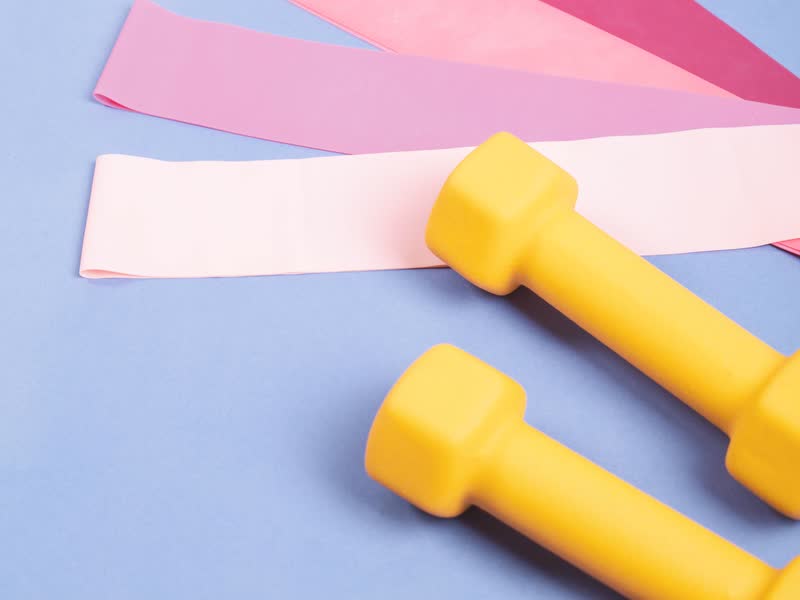
Rehabilitation aids: Hot/cold packs, bands, balls & walking aids
Hot/cold packs, bands, balls & walking aids

Rehabilitation aids

Hot and cold packs, resistance bands, exercise balls and walking aids used to build strength, balance and confidence step by step during rehabilitation.

Hygiene & safety: Wiped down after each use; hot and cold packs are always wrapped in a clean cover and checked for temperature before touching the skin.
Physiotherapy treatment couch: Padded, wipe-clean treatment table
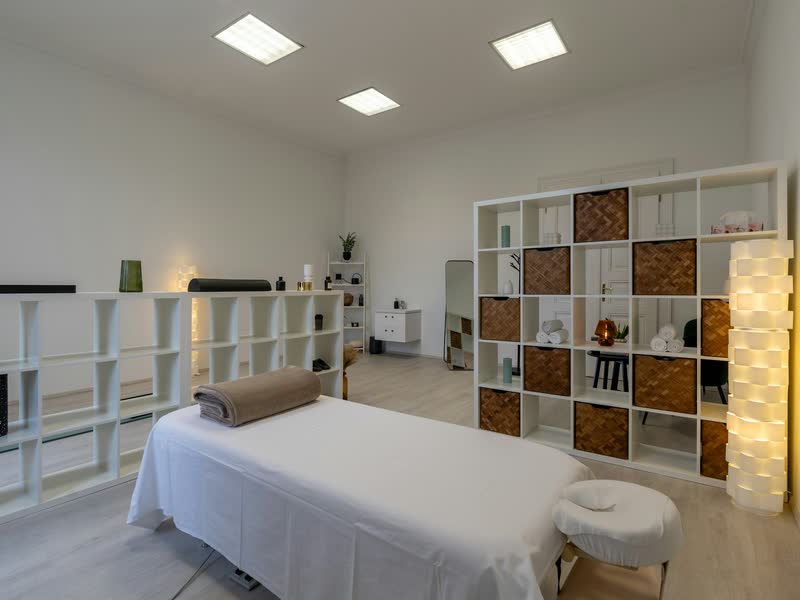
Padded, wipe-clean treatment table

Physiotherapy treatment couch

A padded treatment table that lets you lie or sit comfortably and safely while the therapist works on your back, neck, joints or muscles.

Hygiene & safety: Covered with a fresh couch roll or clean sheet for every patient and wiped down with disinfectant between sessions.

Handheld electrotherapy device: TENS-style pain-relief probe
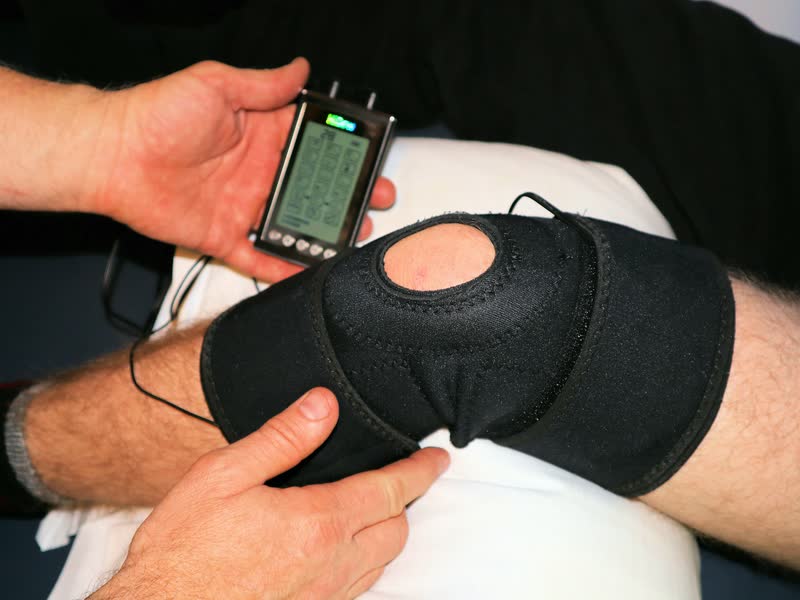
TENS-style pain-relief probe

Handheld electrotherapy device

A handheld device that sends gentle electrical pulses through the skin to help ease pain and support muscle activation during rehabilitation.

Hygiene & safety: Contact heads are cleaned between patients; settings start low and are adjusted to your comfort. Not used for people with pacemakers or over the front of the neck.

See all our equipment

Safety notes

  • Keep taking your blood pressure and other medicines exactly as your doctor prescribed.
  • Tell your therapist about any new chest pain, breathlessness, dizziness or falls.
  • We check blood pressure before exercise and stop if you feel unwell.
  • Carers should not force stiff joints. We will show you safe ways to move them.

When to get medical help

A stroke is an emergency. Think FAST: Face drooping, Arm weakness, Speech difficulty, Time to go to the hospital immediately. Do not wait, and do not go for massage or therapy first.

Questions about Stroke Rehabilitation

When should rehab start after a stroke?

Usually as soon as your doctor says you are medically stable. Starting early often helps, but it is never too late to work on movement and independence.

Will I walk again?

Every stroke is different, so we cannot promise results. Many people improve with regular therapy, and we will set honest goals with you.

Can the family be involved?

Yes, please. Family support makes a big difference, and we teach carers safe ways to help at home.

Do I still need my doctor?

Yes. Your doctor manages your medicines and the risk of another stroke. We work alongside them.

Ready to book Stroke Rehabilitation?

Send us a WhatsApp message — your booking request is already typed out for you.

Chat with us