

Health tips
Back pain and posture: 9 everyday habits that help
Small daily changes, from how you sit and lift to how you ride a keke, can ease strain on your back. Here are nine practical habits and the warning signs to know.
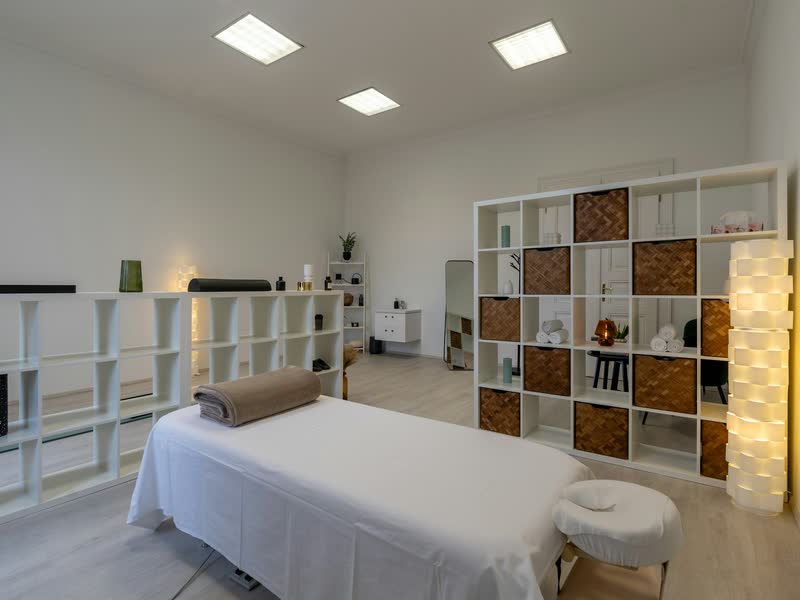
Back pain is one of the most common reasons people come to a physiotherapist. It can come from long hours at a desk, bending over a market stall, lifting a heavy bag of rice, or sitting on a rough keke ride every morning.
The good news is that small daily habits can make a real difference to how your back feels. This guide shares nine practical habits you can start today. They are not a cure, and they do not replace a proper assessment, but many people find they help.
Why posture and movement matter
Your spine is built to move. Problems often start when we stay in one position for too long, or when we lift and twist in a hurry.
There is no single "perfect" posture. The best posture is usually the next one: changing position often, and keeping your body moving through the day.
Habit 1: Set up your desk to support you
If you work at a desk, a few simple changes can ease strain on your neck and lower back.
- Sit with your feet flat on the floor or on a small stool or box.
- Keep your hips slightly higher than or level with your knees.
- Place a rolled towel or small cushion behind your lower back if your chair has no support.
- Raise your laptop or screen so the top is roughly at eye level. A few books under the laptop works well.
- Keep your elbows close to your sides, bent at a comfortable angle.
Habit 2: Bring your phone up to your eyes
Many of us spend hours looking down at our phones. Bending your head forward for long periods can strain your neck and upper back.
Try holding your phone closer to eye level, resting your elbow on a table or your other arm. When you notice your chin dropping towards your chest, take it as a reminder to look up, roll your shoulders back and breathe.
Habit 3: Get up and move every 30 to 45 minutes
Long periods of sitting or standing in one position can leave your back stiff and sore. Set a gentle reminder on your phone to stand up, walk a few steps or stretch.
You do not need a gym. A short walk to fetch water, a few slow shoulder rolls, or gently arching and rounding your back while standing can all help.
Quick tip: Link movement to things you already do. Stand up every time you take a call, or stretch each time you finish a task.
Habit 4: Lift with your legs, not your back
Lifting heavy loads is part of daily life for many Nigerians, from carrying water and gas cylinders to moving goods at the shop. How you lift matters.
- Stand close to the load, with your feet about shoulder-width apart.
- Bend at your hips and knees, keeping your back fairly straight.
- Hold the load close to your body.
- Lift smoothly by straightening your legs. Avoid jerking.
- Turn by moving your feet, not by twisting your waist.
If something is too heavy, ask for help or split it into smaller loads. There is no shame in that.
Habit 5: Find a comfortable sleeping position
Good sleep helps your body recover. The right position depends on what feels comfortable for you.
- On your side: place a pillow between your knees to keep your hips and back in line.
- On your back: a pillow under your knees can ease pressure on your lower back.
- Pillow height: your pillow should keep your neck level, not pushed up or dropping down.
A very old, sagging mattress may not give enough support. If you cannot replace it yet, a firm board or a thin foam layer on top may help some people. When getting out of bed, roll to your side first and push up with your arms.
Habit 6: Protect your back on keke, bus and okada rides
Bumpy roads, long traffic and cramped seats can be hard on the back. You cannot always choose your transport, but you can make the ride easier.
- Sit well back in the seat, so your lower back is supported where possible.
- Keep your bag on your lap or between your feet rather than twisting to hold it.
- On an okada, hold on firmly and keep your knees and hips relaxed to absorb bumps.
- On long bus journeys, shift your position often and stretch when the bus stops.
- After a long commute, take a few minutes to walk and loosen up before sitting again.
Habit 7: Ease the strain of standing all day
Market traders, hairdressers, tailors, cooks and shop attendants often stand or bend for many hours. This can lead to aching in the lower back and legs.
- Rest one foot on a low stool, box or crate, and switch feet every so often.
- Wear comfortable, supportive footwear rather than flat slippers where you can.
- Raise your working surface so you are not bending forward all day.
- Sit down for a few minutes when the market is quiet.
- Drink water regularly, especially in the heat.
Habit 8: Keep active with gentle daily movement
When your back hurts, it is natural to want to lie still. For many common types of back pain, though, staying gently active is usually better than long bed rest.
Walking is one of the simplest options. Start with short, easy walks and build up slowly. Gentle stretches, such as lying on your back and bringing one knee towards your chest at a time, may also ease stiffness.
Stop any movement that causes sharp or worsening pain. A physiotherapist can show you exercises that suit your body and your level of pain.
Habit 9: Know when to see a physiotherapist
Many episodes of back pain settle with time and good habits. It is a good idea to book an assessment if:
- your pain has lasted more than a few weeks or keeps coming back;
- pain is stopping you from working, sleeping or caring for your family;
- pain spreads down one leg, or you feel tingling in your leg or foot;
- you are unsure which exercises are safe for you.
A physiotherapist will ask about your history, check how you move and design a plan for you. This may include exercise, advice and hands-on treatment. Learn more about our back pain care and orthopaedic manual therapy.
When to get medical help urgently
Most back pain is not dangerous, but some signs need a doctor or hospital straight away. Go to the nearest hospital or emergency unit if you have back pain with any of these:
- numbness or tingling in the groin, buttocks or inner thighs (the "saddle" area);
- new difficulty passing urine, or loss of control of your bladder or bowels;
- weakness in one or both legs that is getting worse;
- pain after a fall, accident or heavy blow, especially in older adults;
- fever, feeling generally unwell, or weight loss you cannot explain;
- severe pain that does not ease with rest or is worse at night.
Physiotherapy is not a substitute for emergency care. Please see our medical disclaimer.
Book a back pain assessment with BVPC
If back pain is slowing you down, our physiotherapy team at Best Value Physio Clinic can assess you and build a plan around your work and daily life. Send us a message on WhatsApp or visit our contact page to book an assessment.
This article is general information, not personal medical advice. See our medical disclaimer.