

Alternative medicine & integrative care · Abuja

Respiratory Support (TB, Asthma, Pneumonia)

Breathing exercises and recovery support alongside your hospital care

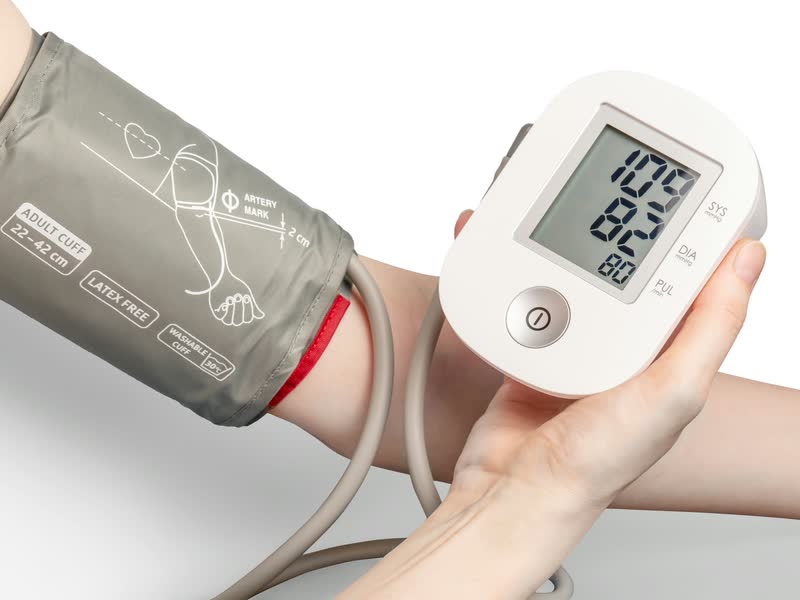
Blood-pressure monitor & glucometer used in Respiratory Support (TB, Asthma, Pneumonia)

What is Respiratory Support (TB, Asthma, Pneumonia)?

Lung conditions such as tuberculosis (TB), asthma and pneumonia must be diagnosed and treated by a doctor or hospital. Medicines are the main treatment. Our role is to support your recovery alongside that care.

Our physiotherapists may teach breathing exercises, ways to clear mucus from the chest, how to pace activity, and gentle exercise to rebuild strength and stamina after illness.

We also share practical advice on keeping your home airy, avoiding smoke and other triggers, and why it matters to finish your full course of medicines.

Please note: This is supportive care alongside your doctor's or hospital's treatment, never instead of it. Medicines prescribed for TB, asthma and pneumonia must always be continued.

Who it may help

  • People recovering from pneumonia who feel weak or breathless
  • People on TB treatment, or who have finished it, who want to rebuild strength
  • People with asthma who want to learn breathing control, alongside their inhalers
  • People who struggle to clear mucus from the chest
  • Older adults who become breathless with daily activities

What to expect

  1. Assessment

    We review your diagnosis, medicines and hospital notes, and check your breathing, oxygen level where possible, and fitness.

  2. Plan

    We agree safe goals, such as walking further or managing breathlessness better.

  3. Treatment

    Breathing exercises, chest-clearance techniques and gentle, graded exercise.

  4. Follow-up

    We progress your exercises and remind you to keep your clinic appointments and finish your medicines.

Equipment we may use

Blood-pressure monitor & glucometer: Digital screening devices
Digital screening devices

Blood-pressure monitor & glucometer

A digital blood-pressure monitor and a blood-glucose meter used for quick screening checks, so we can advise you and refer you to a doctor when a reading needs attention.

Hygiene & safety: A new sterile single-use lancet and test strip for every glucose check; the BP cuff is wiped between clients.
Rehabilitation aids: Hot/cold packs, bands, balls & walking aids
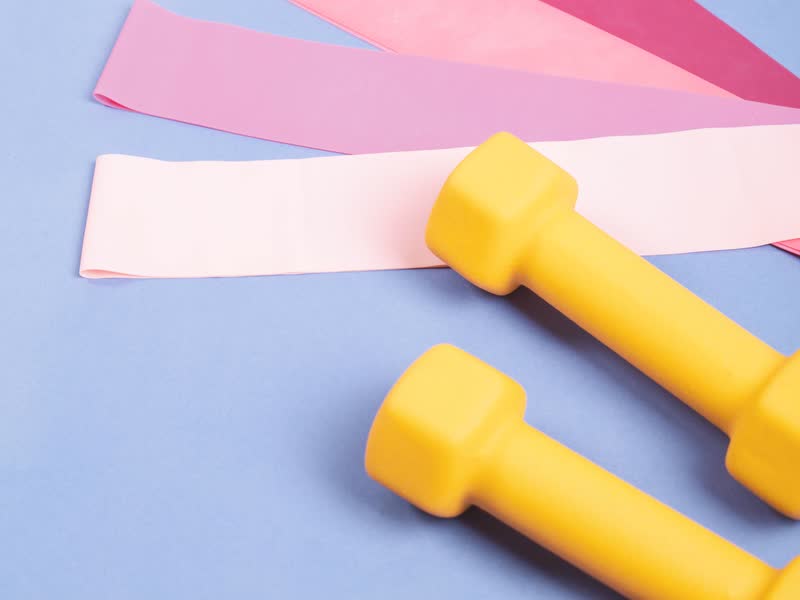
Hot/cold packs, bands, balls & walking aids

Rehabilitation aids

Hot and cold packs, resistance bands, exercise balls and walking aids used to build strength, balance and confidence step by step during rehabilitation.

Hygiene & safety: Wiped down after each use; hot and cold packs are always wrapped in a clean cover and checked for temperature before touching the skin.

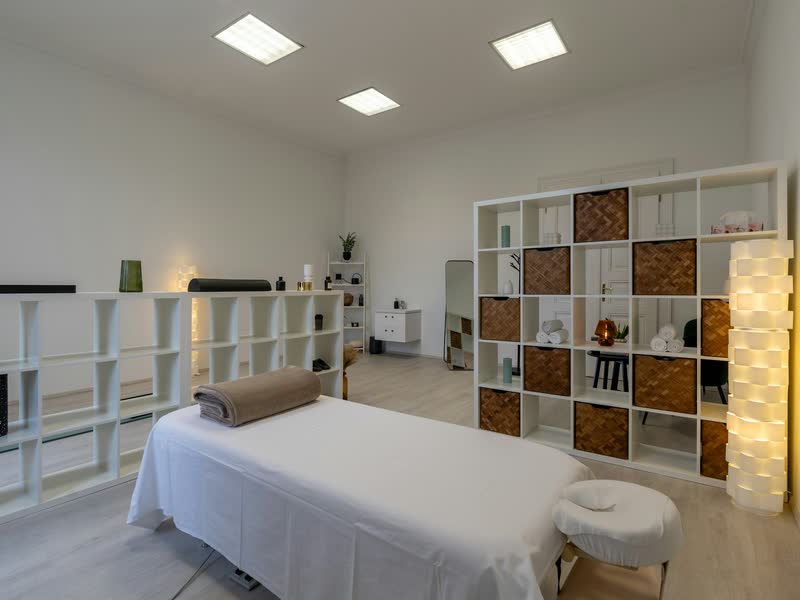
Physiotherapy treatment couch: Padded, wipe-clean treatment table
Padded, wipe-clean treatment table

Physiotherapy treatment couch

A padded treatment table that lets you lie or sit comfortably and safely while the therapist works on your back, neck, joints or muscles.

Hygiene & safety: Covered with a fresh couch roll or clean sheet for every patient and wiped down with disinfectant between sessions.

See all our equipment

Safety notes

  • TB must be diagnosed and treated with the full course of medicines from a DOTS or TB clinic. Never stop TB medicines early, even if you feel better.
  • If you may have infectious TB (for example, coughing for more than two weeks), get tested first. Tell us so we can protect you and others.
  • Always keep your asthma inhaler with you and use it as your doctor prescribed.
  • Stop exercise and tell us if you feel very breathless, dizzy or have chest pain.
  • We do not offer massage or herbal products as a treatment for lung infections.

When to get medical help

Get emergency care immediately if you have severe breathing difficulty, chest pain, lips or fingertips turning blue, confusion, or are coughing up blood. A cough for more than two weeks, night sweats or weight loss should be checked for TB at a clinic.

Questions about Respiratory Support

Can physiotherapy cure TB or pneumonia?

No. TB and pneumonia are treated with medicines from a doctor or clinic. Physiotherapy can support your recovery alongside that treatment.

Where can I get tested and treated for TB?

TB testing and treatment are available at DOTS and TB clinics, often in government hospitals and primary health centres. Ask your nearest health facility.

Can breathing exercises help my asthma?

Some people with asthma find breathing control exercises help them feel calmer and more in control. They do not replace your inhalers.

When can I start after pneumonia?

Once your doctor says you are recovering well. We start gently and build up.

Ready to book Respiratory Support?

Send us a WhatsApp message — your booking request is already typed out for you.

Chat with us